When it comes to wedding planning, couples often wonder: "Can we start too early?" While early planning has undeniable benefits, it also comes with potential drawbacks.
Let’s explore the pros and cons of planning your wedding far in advance and how to strike the right balance.
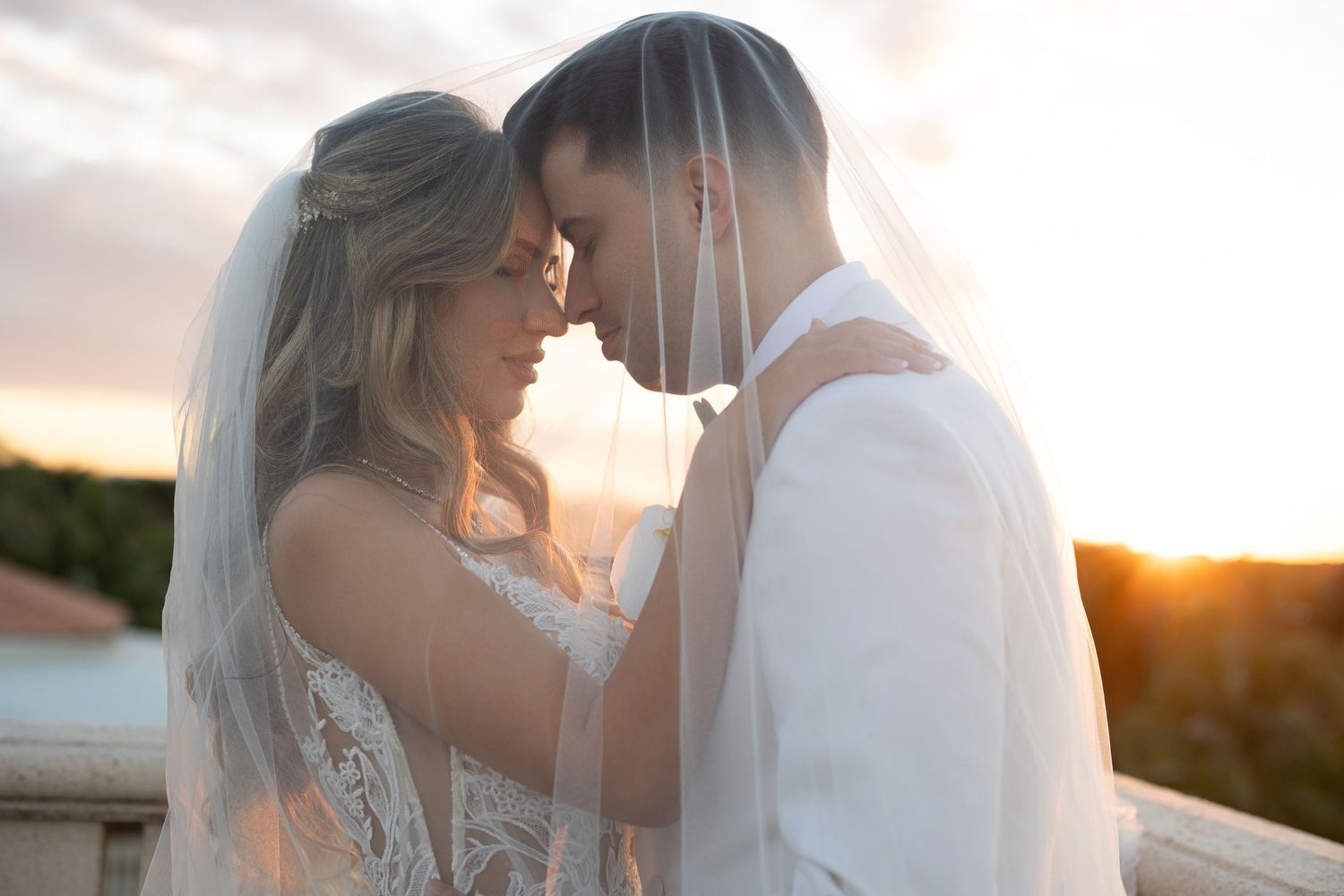
THE PROS OF EARLY WEDDING PLANNING
1. More Options for Venues and Suppliers
Starting early gives you first dibs on the most sought-after venues and vendors. If you’ve set your heart on a particular location or a top-tier photographer, booking ahead increases your chances of securing them before they’re snatched up by other couples. The earlier you act, the less likely you’ll have to compromise on your vision.
2. Potential Cost Savings
Planning well in advance can be a financial advantage! Many vendors provide discounts for early bookings, allowing them to secure their schedules ahead of time. Additionally, with prices typically rising each year due to inflation and increased demand, locking in rates early could mean significant savings in the long run.
3. Ample Time for Personalization
When you have more time, you can focus on the finer details of your wedding without feeling rushed. Whether it’s designing custom invitations, crafting unique decorations, or commissioning a bespoke wedding dress, early planning gives you the freedom to perfect every aspect of your special day at a comfortable pace.
4. Stress Reduction
Spreading out the planning process can alleviate the stress that often comes with last-minute decision-making. With a longer timeline, you can approach each task with clarity and confidence rather than scrambling under pressure. This helps create a more enjoyable experience for both you and your partner.
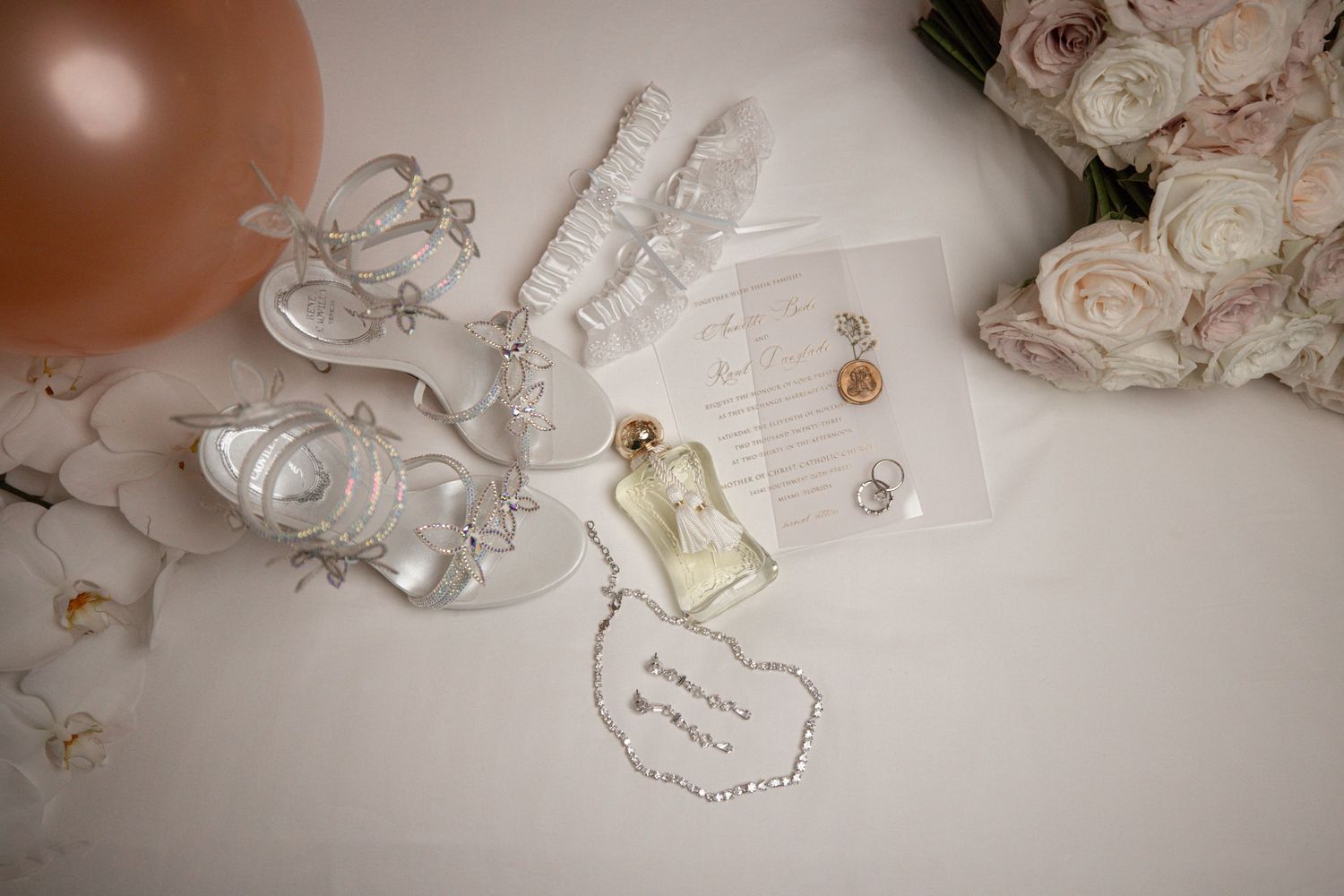

THE CONS OF JUMPING THE GUN
Four ways early planning can backfire
- Your taste will change. Eighteen months is a long time. Colors, florals, and even the style of dress you love today may feel dated by the time the day arrives, and swapping decisions you already paid for gets expensive.
- Vendors and venues change too. Staff turn over, venues get sold or renovated, and prices get adjusted. A booking made far in advance needs a solid contract that spells out exactly who is showing up and what happens if something changes.
- Planning fatigue is real. A two-year engagement can turn the fun part into a chore. Couples who start early often burn out around the halfway mark and stop enjoying the process.
- Life happens. Jobs move, budgets shift, families grow. The further out you commit, the more room there is for the plan to collide with real life.
How to strike the right balance
Book the big three first. Your venue, your photographer, and your caterer or planner should be locked in 12 to 18 months out. In Dallas-Fort Worth, prime Saturdays from March through June and September through November fill up first, and we regularly book weddings a year or more ahead.
Hold the details until 6 to 9 months out. Invitations, decor, favors, and playlists can wait. Your vision will be clearer, and you will spend less on things you later replace.
Set decision deadlines. Give each choice a date and move on once it is made. Revisiting settled decisions is where most of the stress and overspending comes from.
Keep one shared budget. A single spreadsheet that both of you update prevents surprises and keeps early bookings from eating the money you need later.
The bottom line
There is no such thing as planning too soon, only planning the wrong things too soon. Lock in the people and places that can only be booked once, then let the rest of the plan grow at a pace that keeps you excited.
If you are newly engaged in Dallas-Fort Worth and want to talk through dates and wedding photography collections, we would love to hear your story. Every collection includes a complimentary Save the Date session, so you get to know us long before the big day.